

How Can I Fix Damaged Hair? A Complete Repair Guide
Damaged hair happens to almost everyone in the UAE — heat styling, hard water, and sun exposure all take their toll. If you're wondering how can I fix damaged hair, the honest answer is that most damage is reversible with the right routine. This guide covers the visible signs, a step-by-step repair plan, and daily habits that keep strands strong through Dubai's heat, so your hair can feel healthy again.
What does damaged hair look like?
Damaged hair usually shows up as dull strands that don't catch the light the way healthy hair does. You'll notice split ends, rough texture when you run your fingers through it, and hair that tangles more easily than before. Breakage is the clearest sign — short strands scattered on your pillow or brush that weren't there before.
Color-treated and heat-styled hair often looks damaged first at the mid-lengths and ends, where years of styling stress add up. Curly and textured hair can show damage as frizz that won't settle, while fine hair tends to go limp and lifeless. Spotting these signs early makes repair easier.
How can I fix damaged hair?
The short answer is to cut back on heat, add moisture back in, and be patient — repair takes weeks, not days. Start by trimming split ends so damage doesn't travel further up the strand, then switch to a sulfate-free shampoo that cleans without stripping.
Follow every wash with a nourishing conditioner, and add a weekly hair mask for deeper repair. Reduce hot tools to two or three times a week, always with a heat protectant. Consistency matters more than any single product — small changes, kept up over a month or two, rebuild strength from the inside out.

How do I know if my hair is damaged?
Try a simple wet test: take a single strand and gently stretch it. Healthy hair stretches slightly and springs back; damaged hair either snaps or stays stretched out. You can also look at a strand held up to light — a smooth, even surface means healthy cuticle, while a rough, uneven texture points to damage.
Other clues include hair that takes far longer to dry, feels straw-like when wet, or loses its shape and curl pattern. If your hair snags constantly when brushing or you're seeing more shedding than usual, it's worth treating it as damaged and adjusting your routine accordingly.
How to repair damaged hair - step by step
- Trim first. Cut off split ends so they don't travel up the strand and cause more breakage.
- Switch shampoos. Move to a sulfate-free formula that cleans gently instead of stripping natural oils.
- Condition every wash. Focus conditioner on mid-lengths and ends, where damage is usually worst.
- Add a weekly mask. Deep conditioning treatments rebuild strength that daily products can't reach alone.
- Protect before heat. Always apply a heat protectant before blow-drying, straightening, or curling.
- Limit chemical processing. Space out coloring or bleaching sessions to give hair time to recover.
- Sleep on silk or satin. Reduces friction that causes breakage and frizz overnight.

Hair care routine for damaged hair
A simple routine works best. In the shower: shampoo focused on the scalp, conditioner on the lengths, and a mask once or twice a week left on for five to ten minutes before rinsing. Out of the shower: apply a leave-in treatment or hair tonic to towel-dried hair, then let it air-dry when you can.
Isn't it easier to stick with a routine when it only takes a few extra minutes? Keep heat styling to a minimum on wash days, and always brush gently, starting from the ends and working up to avoid pulling on knots. Consistency, not intensity, is what rebuilds damaged strands over time.
What are the best hair masks for damaged hair?
Look for a mask built around nourishing oils and proteins rather than just silicones that coat the surface temporarily. Ingredients like pomelo peel oil, vitamin B5, and plant-based amino acids work on reducing breakage and adding real moisture, not just shine that washes out.
Leave the mask on for five to ten minutes so the ingredients can penetrate rather than just sit on the surface. Rinse with lukewarm water, since hot water can strip the moisture you just added back in.
How often should you use a hair mask?
Once or twice a week is enough for most hair types. Severely damaged or chemically treated hair can handle a mask up to three times a week, while fine hair usually does better with just one weekly treatment to avoid weighing strands down.
Also read about: best shampoo for hair fall in uae
Advanced solutions for severely damaged hair
Wondering when at-home care stops being enough? For hair that's beyond what masks and conditioners can fix, professional treatments make a real difference. Keratin or protein treatments rebuild the bonds within each strand, while bond-repair services (done in-salon) target broken disulfide bonds directly, which is especially useful after bleaching.
Regular deep-conditioning treatments at a salon go further than at-home masks because they're formulated with higher concentrations of active ingredients. If breakage is severe, a bigger trim followed by a slower approach to styling and color gives hair the best chance to recover fully.
How does hair structure affect styling?
Hair structure — how thick, curly, or porous your strands are — determines how they react to heat and styling. High-porosity hair (common after bleaching or coloring) absorbs product and moisture quickly but loses it just as fast, so it needs richer, protein-based products.
Low-porosity hair resists moisture and can feel weighed down by heavy products, so lightweight, water-based formulas work better. Fine hair styles differently than thick or coarse hair, needing gentler heat settings and lighter products to avoid looking flat or greasy by midday.
How to fix damaged bleached hair
Bleached hair needs bond-building treatments and protein-rich masks used weekly, since bleaching strips both moisture and structural protein at once. Stick to lukewarm water, skip daily heat styling, and use a leave-in treatment on damp hair to seal in moisture between washes.
Impact of diet on hair health
Could your diet be working against your hair goals? What you eat shows up in your hair over time. Protein is essential, since hair itself is made mostly of keratin, a protein. Biotin, zinc, and iron support the growth cycle, while omega-3 fatty acids from foods like walnuts and fish help keep the scalp and strands hydrated from within.
Dehydration also weakens hair over time, especially in the UAE's heat. Drinking enough water and eating a varied diet with enough protein gives your hair the raw materials it needs to repair itself, working alongside whatever products you're using on the outside.
When to see a doctor
Most damage responds well to a better routine, but some signs point to something beyond styling stress. Sudden, heavy shedding, bald patches, scalp pain, or hair loss that doesn't slow down after a few months are worth mentioning to a doctor or dermatologist.
They can check for underlying causes like thyroid issues, nutrient deficiencies, or scalp conditions that a hair mask alone won't fix. Getting it checked early usually means a simpler path back to healthy hair.
Hair Care Recommendations from Verde & Well
Verde & Well's Pomelo range was built around this exact repair process — from first wash to final mask. Every formula is 100% cruelty-free and PETA-certified, made without sulfates, parabens, or mineral oil, so damaged strands get repair without extra stress from harsh ingredients.
Explore Related Verde & Well Products
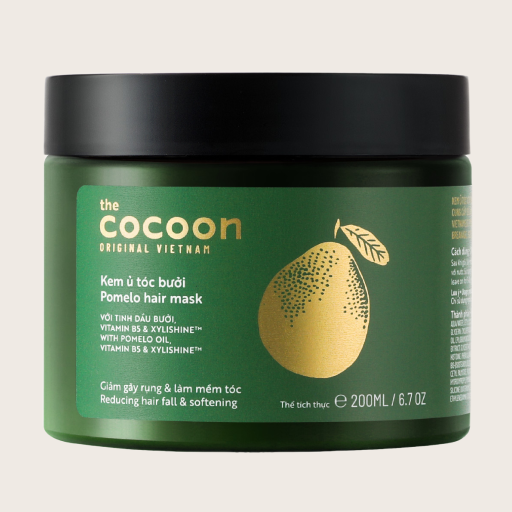
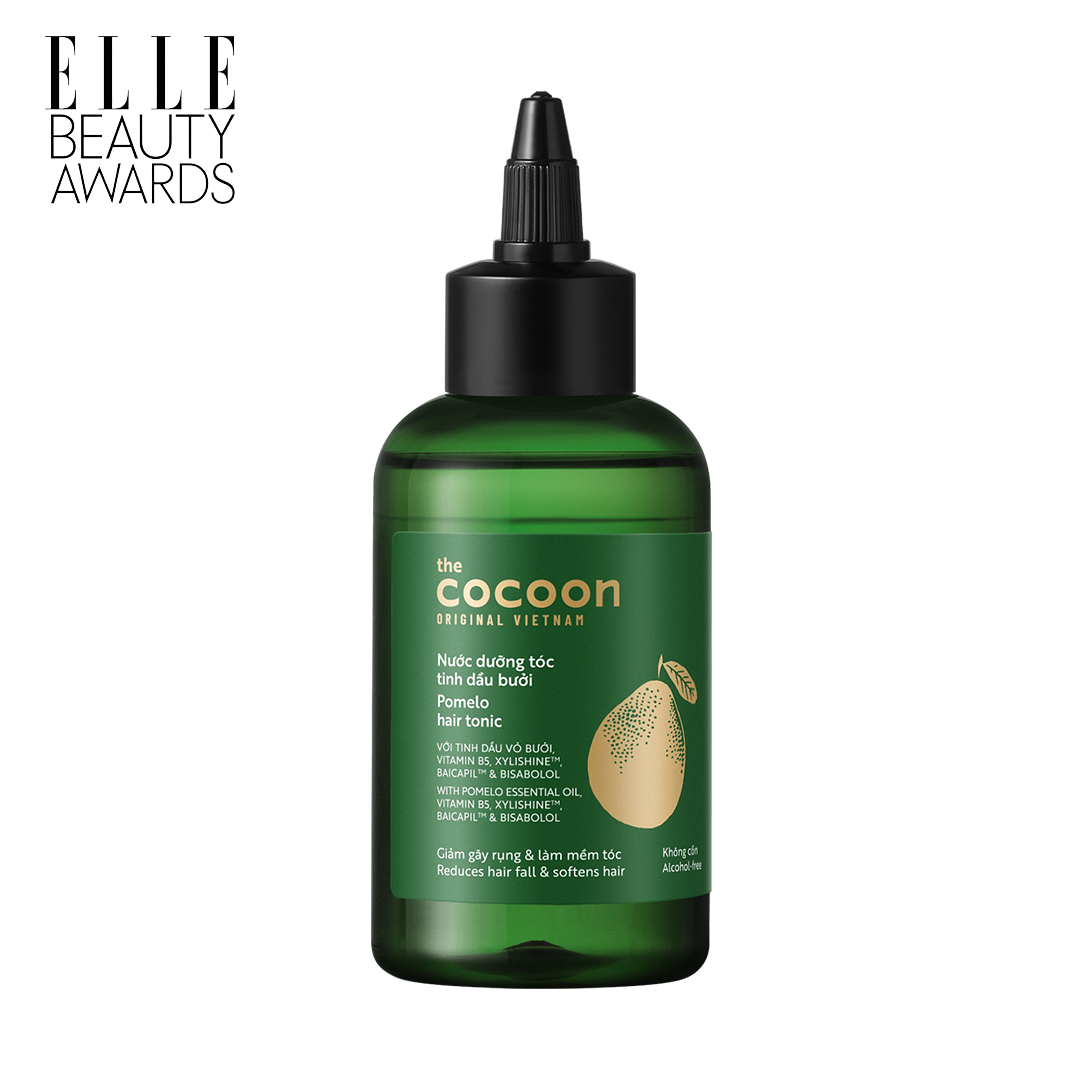
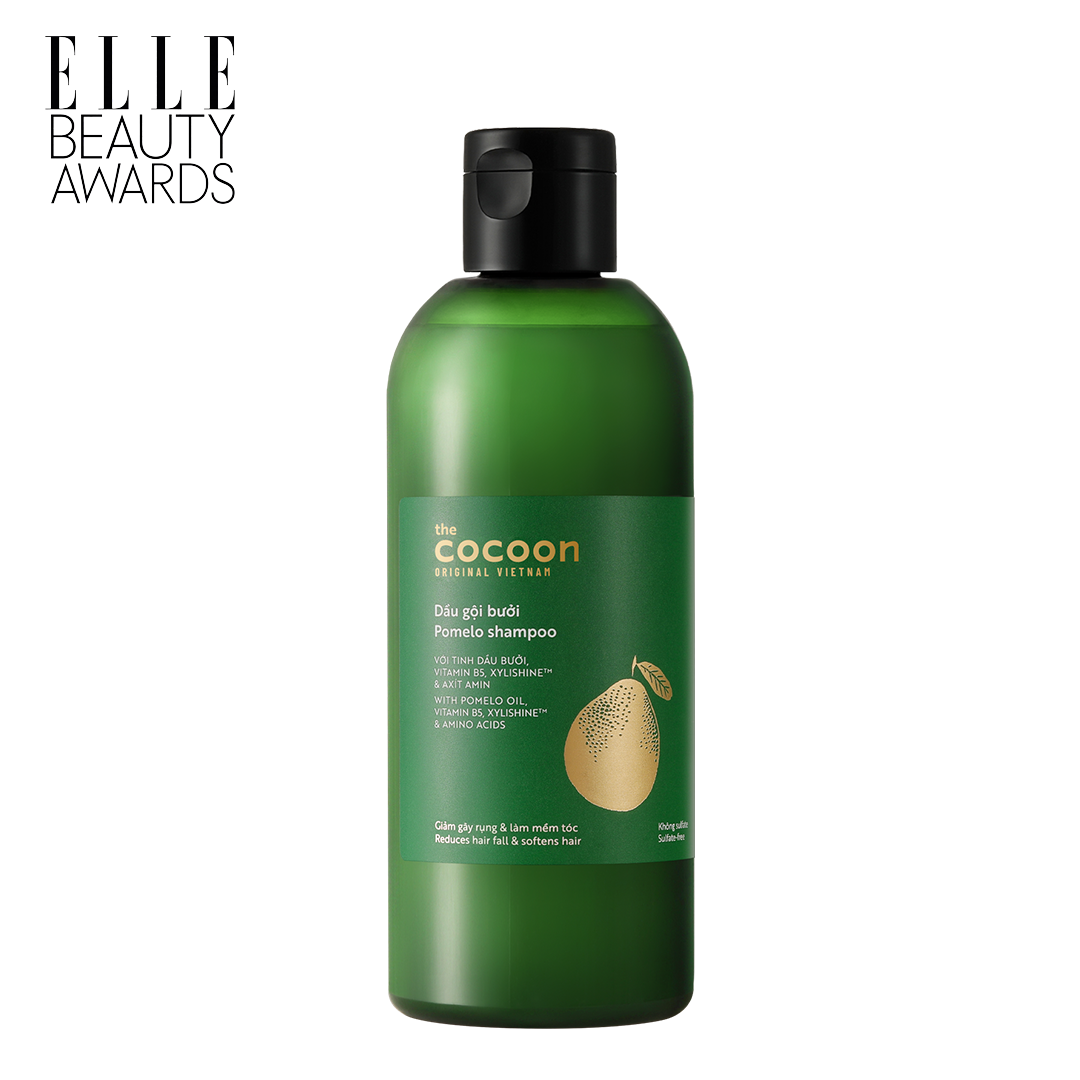
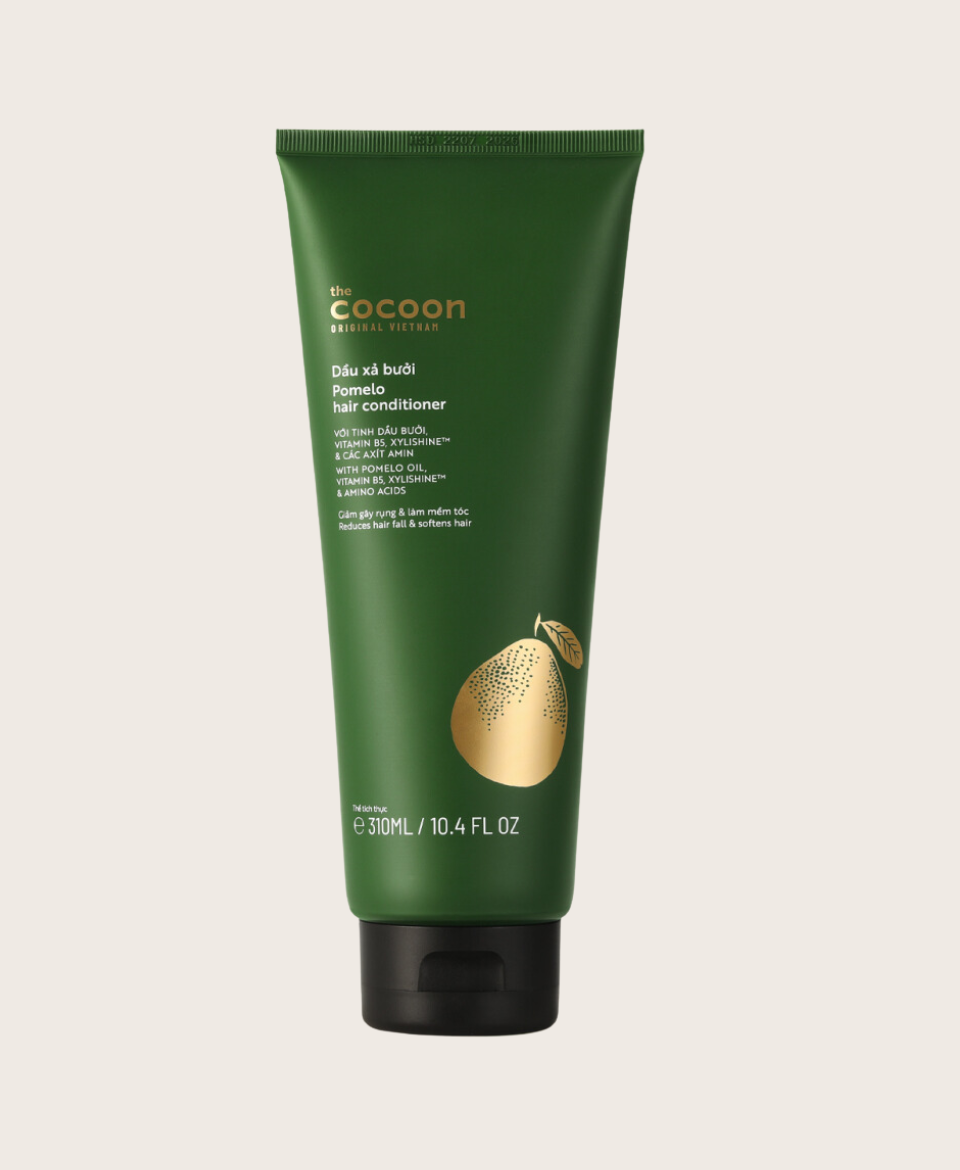
Made in Vietnam using traditional pomelo peel oil alongside Xylishine and Vitamin B5, the range targets breakage and dryness at every stage of the routine, from the scalp down to the very ends.
Conclusion
Fixing damaged hair isn't about one product — it's a routine you stick with. Trim regularly, switch to gentler formulas, add a weekly mask, and protect strands before you reach for heat tools. Give it a few weeks, and how can I fix damaged hair stops being a daily worry and becomes a routine you barely think about.
If you're ready to start, Verde & Well's full hair care range has everything you need to build a repair routine around, all plant-based and formulated without the harsh stuff your hair doesn't need.
Frequently Asked Questions
How to Naturally Treat Damaged Hair
Natural remedies like coconut oil, aloe vera, and rice water can add temporary shine and softness, but they don't replace a proper repair routine. Pair them with a sulfate-free shampoo, regular conditioning, and a weekly mask for results that actually last beyond one wash.
How to fix damaged hair men
The same core steps apply: trim regularly, switch to a sulfate-free shampoo, and use a leave-in treatment or light oil to add moisture. Shorter styles show breakage less but still need protection from heat tools, sun, and frequent washing that strips natural oils.
Can damaged hair go back to normal?
Hair itself can't repair on a cellular level since each strand is already dead tissue, but you can restore its look and feel significantly with the right routine. New growth from the scalp will always come in healthy, so consistent care prevents further damage while it grows out.
What shampoo is best for damaged hair?
Look for a sulfate-free, moisturizing shampoo that cleans without stripping natural oils. Ingredients like pomelo oil, vitamin B5, and plant-based amino acids help reduce breakage with every wash, especially when paired with a matching conditioner and a weekly deep-conditioning mask.
